10 Solar Myths – Busted!
There are a lot of myths out there about green and renewable energy – and solar systems seem to bear the brunt of it.
Misinformation, false advertising and 80s style sales can definitely muddy the waters when it comes to knowing what’s true and what’s not.
So, we’ve taken a little time to explain why some of things we hear are not at all true.
Myth 1: Solar Panels Don’t Work in Cloudy Weather
It’s incredible how many times we hear this, and it’s something we even see in the media from time to time.
Unfortunately for the naysayers, physics isn’t governed by opinion.
The cells inside your solar panels are made from silicon, which is the world’s most abundant element.
When photons, or light particles, hit purified silicon it starts a reaction that generates electricity.
Now, the sun emits very powerful light, so the photons in that light are carrying a huge amount of energy – if they didn’t, we’d all be plunged into darkness every time there's a light cloud covering.
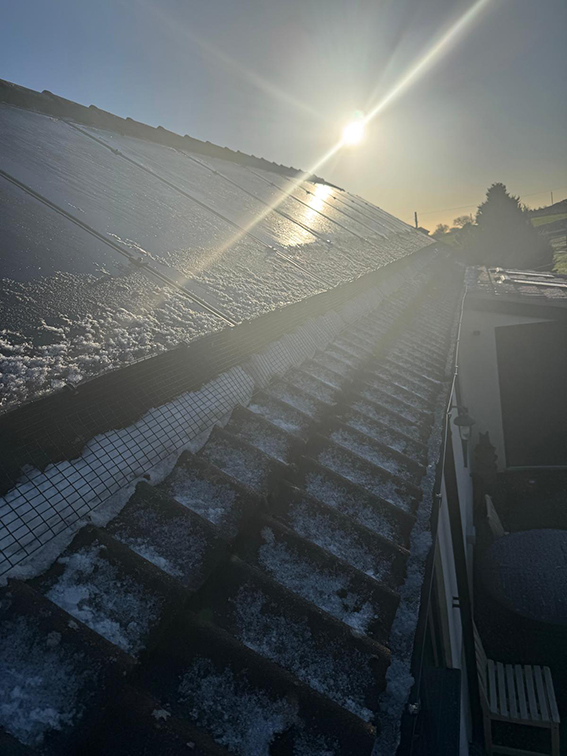
The truth is, panels work very when it’s cloudy and will even generate electricity when there is a serious storm above your roof!
Myth 2: Solar Energy Is Too Expensive for Most Homes
While we’re not going to pretend that the initial cost of solar can be off putting, it will certainly work out cheaper than paying a supplier for your electricity for the next 10 years.
We know that energy prices can fluctuate, but there seems to be an unstoppable upwards trend at the moment, and no one seems to be wanting to tackle it … except people with solar!
The average system in the costs between 6 and 12 thousand pounds, which sounds a lot when it’s just written down.
But, we see it as a home improvement, and most homeowners wouldn’t think twice about spending that kind of money on a new kitchen, bathroom or garden room – none of which save you money or add much to the value of your home.
Myth 3: Solar Panels Require Constant Maintenance
We have no idea how this one keeps popping up!
The great thing about solar panels is they are a totally passive technology.
They have no moving parts, they don’t require anything to be replaced and the materials they are made off are not susceptible to corrosion.
You may need to clean them occasionally and, if something drastic happens, replace a cable or two.
But, most of the time, the panels will just generate electricity until the silicon in them degrades.
Silicon degrades at about 0.1% a year, so panels are still considered workable as part of a domestic system for at least 30 years.
Myth 4: Solar Power Only Works in Hot Climates
Depending on how hot, this can be exactly the opposite.
As the silicon cells inside a solar panel heat up, they become more resistant.
This means the material they are made from becomes harder for electricity to flow through – which means the panels are less efficient.
The UK's temperate climate stays under 40 degrees unless we have a freak weather event, so your panels will be working at peak efficiency all year round.
Myth 5: Installing Solar Panels Will Damage Your Roof
We’d soon go out of business if this was the case.
Some tiles are a little more fragile than others so it may be a little harder to fit panels without damaging a few, to for 90% of the UK’s roofs, the tiles are made to be walked on and won’t break even when the burliest of fitters are on the roof.
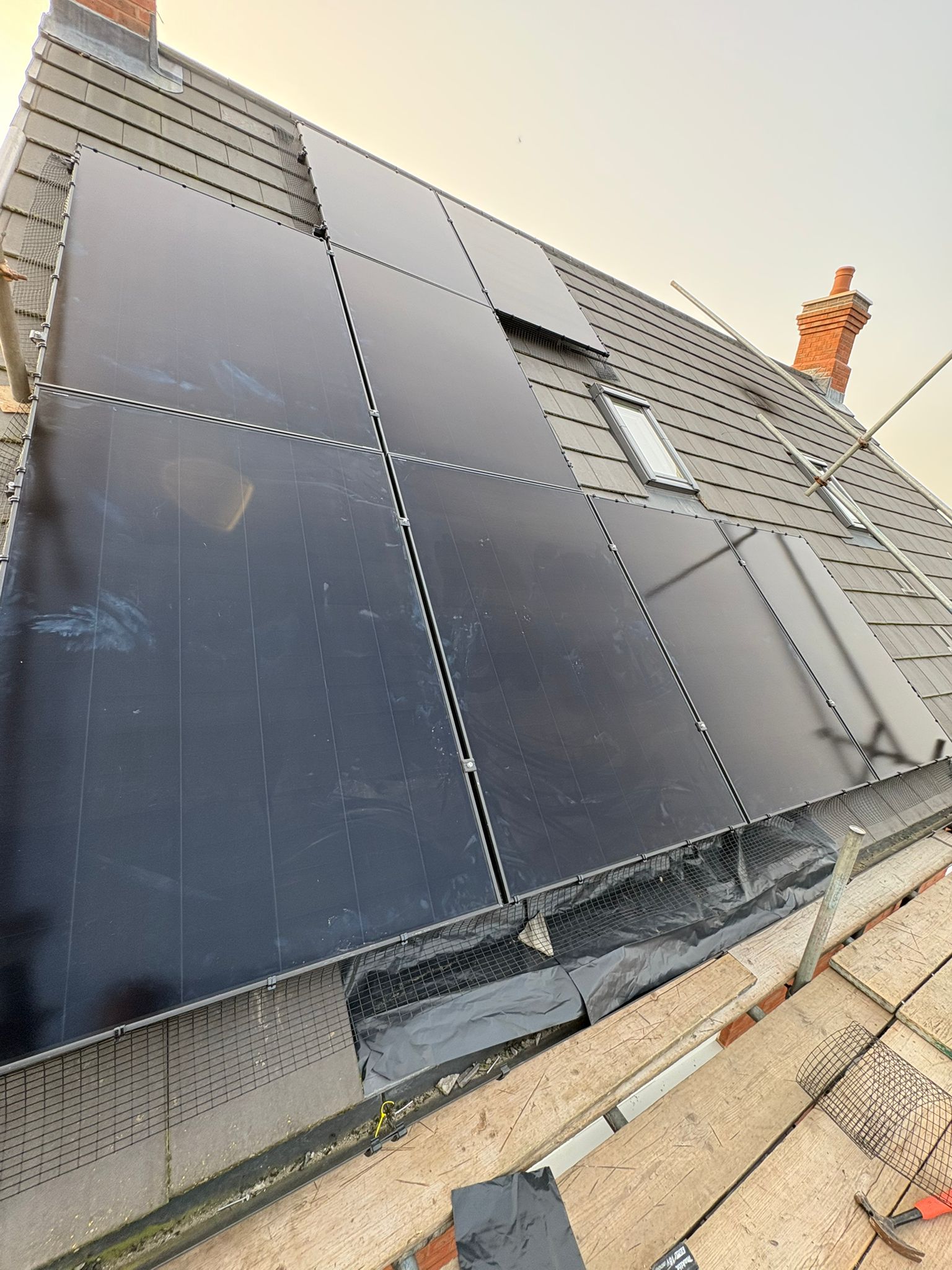
The systems most installers use means moving a tile slightly, fitting a hook to connect the rails, and then sliding the tile back into place.
You can also utilise an in roof system, but that is more popular on new builds or when someone needs their roof replacing.
Myth 6: Solar Panels Don’t Last Very Long
Well, I think we covered this in the maintenance myth, but solar panels probably last longer than most things in a modern house.
While we are used to a 5 year guarantee on some electronic items and, on the odd occasion, a 10 year warranty – solar panels come with 25 and 30 year guarantees!
Even the most cynical of shoppers knows that a company isn’t going to throw in a 3 decade guarantee if they don’t believe the product will last that long.
Truth is, solar panels last longer than that, it’s just after 30 years they may not produce enough energy to be efficient in a domestic solar system.
Truth is, they will still produce energy after 50 or even 60 years – which is why we always see them in post-apocalyptic films!
Myth 7: You Can’t Save Money with Solar Without Batteries
While we would always encourage people to fit batteries to their solar energy systems, you can still save a lot of money with a panel only installation.
For every kW of energy you generate you’re not paying to get it from an energy supplier. So, savings right there.
Plus, if you manage your usage right, you can be saving on hours and hour of energy during the longer days from Spring to Autumn.
Of course, having batteries is when you’ll see real savings during the winter months.
Myth 8: Solar Panels Lower Property Value
LOL! Nope!
Again, quite the opposite – solar actually increases your home price, for real.
Now, we understand people’s cynicism when we make claims like that, but this isn’t specifically about the solar itself, it’s about the ‘greenness’ of your home.
Solar, ASHPs, good insulation, triple glazing – all these things help to increase your EPC rating.
The higher your EPC rating, the more saleable your home and the more it’s worth.
Myth 9: Solar Energy Can’t Power an Entire Home
This is a myth that we may have to slightly concede.
In the UK it would certainly be difficult to go off grid using solar alone.
However, with the right kind of energy management, and a good amount of battery storage, you can certainly power your home.
We’d suggest some wind turbines too – just to make sure.
Myth 10: Solar Technology Isn’t Advanced Enough Yet
Advanced enough for what?
Obviously, all technology gets better exponentially, and solar is no different.
We are now seeing 510-Watt panels becoming the norm, batteries are getting bigger and better, even the control systems are utilising smart technology and AI.
We feel that, right now, is the perfect time to get solar as the technology has not only become affordable, it’s also making solar easier to use and more attractive to install.