Air Source Heat Pump Terminology
Air source heat pumps have been around for years, but they are only just becoming popular in the domestic market.
Because of that, some of the words and terminology can be a bit confusing.
So, we’ve put together a simple guide to some of the most used words in the industry,
Basics
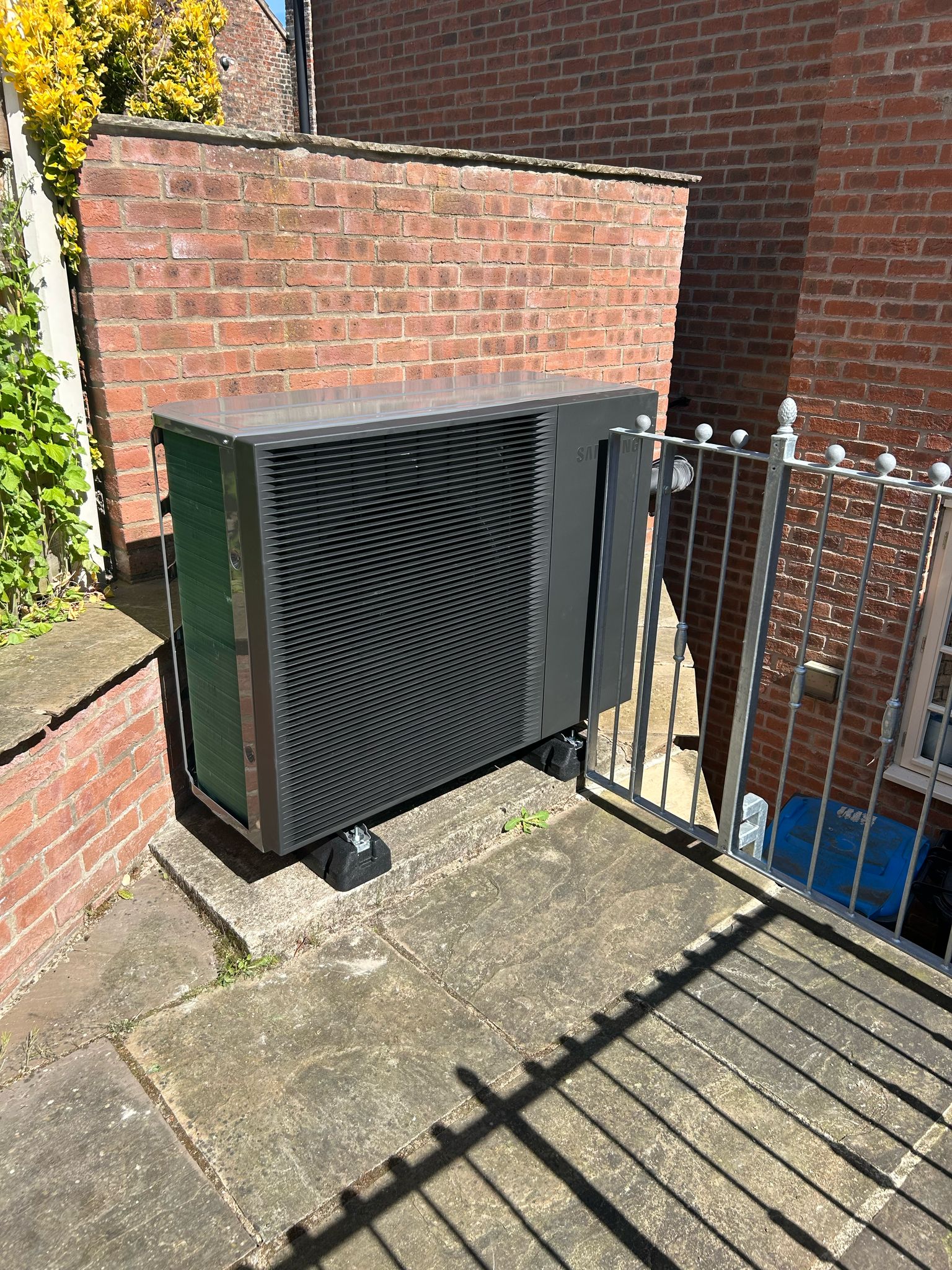
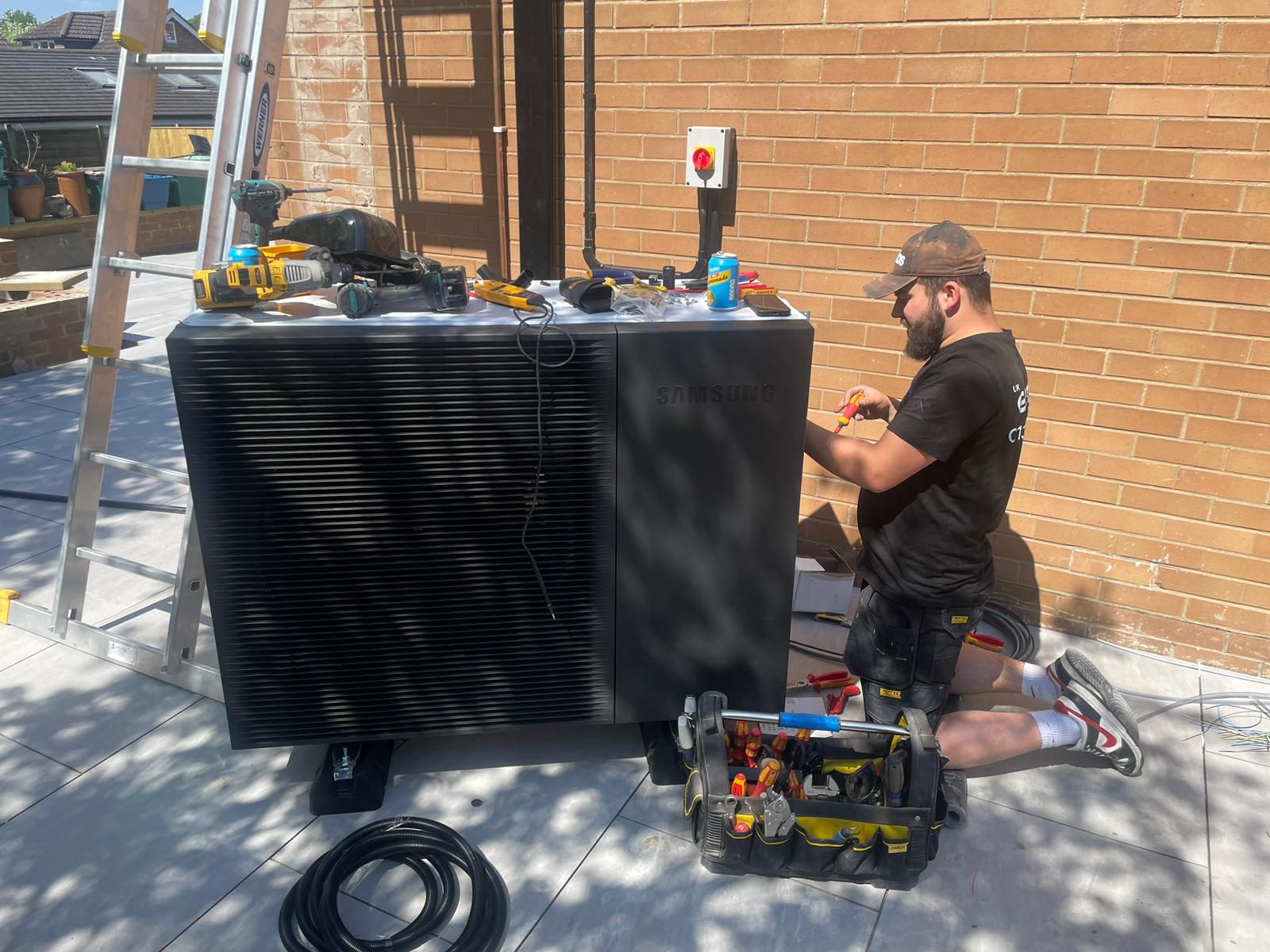
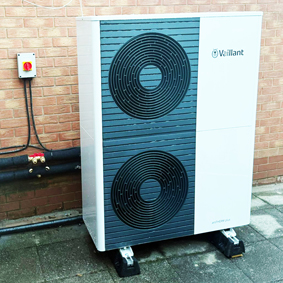
Air Source Heat Pump – This is a central heating system that uses the ambient temperature of the air outside your home to create heat.
Ground Source Heat Pump - This is a central heating system that uses the ambient temperature of the ground outside your home to create heat. It requires groundwork to bury pipes outside your home. Ground source heat pumps are keep at a fairly constant temperature as ground heat doesn’t vary much.
Water Source Heat Pump - This is a central heating system that uses the ambient temperature of a body of water to create heat. This system would requite pipes to laid in a large water source.
Parts of the system
Condenser – the part of the system (inside the heaty pump unit) that allows the refrigerant to cool down and release heat.
Heat Exchanger – moves the heat from the pumps refrigerant to the water used in your home’s heating system.
Buffer Cylinder – This is an additional component used to store hot water. Generally used in larger systems, it prevents the heat pump from turning on and off too much.
Inverter Compressor – this is an internal component that adjusts itself to fall in line with the neat need in your home. Fixed speed compressors will work at a set rate, so that can affect efficiency.
Expansion Valve – Regulates the flow of the refrigerant into the evaporator. This is to achieve optimum heat absorption.
Refrigerant – this a liquid inside your heat pump that creates the heat. It has a low boiling point so the temperature can be raised by simply passing air over pipes containing the refrigerant.
Variable Speed Compressor – unlike a fixed speed compressor, these can vary their output to the needs of your home. It usually makes your pump more efficient and extends its lifespan.
Inverter Compressor – this is an internal component that adjusts itself to fall in line with the neat need in your home. Fixed speed compressors will work at a set rate, so that can affect efficiency.
Secondary Circuit – This is, basically, your central heating system. It’s the pipes for the water that is heated by your pump.
Thermal Store – an extra cylinder that stores excess heat energy from your pump so it can be used later.
Flow and return - This is another name for the pipes that run between the heat pump and cylinder.
Diverter valve – This is what splits off the flow and returns to also run to the heating circuit.
System Operation
Defrost Cycle – this is a safety feature that melts any ice building up on the external components of your heat pump. Installing a buffer helps with this.
Flow Temperature – this is how hot the water that’s inside your radiators gets. Heat pumps work on a lower temperature than fossil fuel boilers.
Monitoring – it’s the 21st century, so just about every piece of tech you own can be monitored. Heat pumps are no different, and most of them come with an App.
K1, K2 and K3 – people are surprised to find out this is how different types of radiators are denoted:
K1 – Single Panel
K2 – Double Panel with two convectors.
K3 – Triple Panel with three convectors.
The more panels and convectors a radiator has, within reason, the more heat it will give out.
The more surface area means more heat, basically.
Night Setback – a clever bit of programming that lowers your heating during the night to save energy then ramps it up before you get out of bed.
Output Capacity – this is the maximum amount of heat your pump can emit. This is how you match a heat pump to your home.
Short Cycling – this is to be avoided as it’s when your heat pump switches on and off too often. Heat pumps work best when they are running at a constant temperature, short cycling means the heat pumps has been spec-ed wrong for your home.
Industry terms
Coefficient of Performance (COP) – you’ll see this in al the technical bumf; it’s a measure of the heat pump’s efficiency. If the COP is 4 it means you get 4 units of heat for every unit of electricity.
Cascade – a series of heat pumps being used to generate heat for large buildings.
Commissioning – this is the final step in the installation. It’s when an installer will test and optimise the system.
Demand – this is the amount of heat your home requires at any one time. Your heat pump will consistently try to match this.
Efficiency – how well a heat pump turns electrical energy into heat energy.
Fabric First – this is a buzz phrase used to draw attention to the insulation levels in your home. The better your home is insulated, the higher the efficiency of your heat pump.
Heat Pump – a device that moves heat from one place to another using the same principles as a fridge … but in reverse. The better insulated your home, the smaller your heat pumps needs to be.
Hybrid System – a combination of heating devises, maybe a heat pump and a fossil fuel boiler.
Heat Loss Calculation – any reputable consultant will ensure they do one of these on your home. It is essential to see how much heat your homes loses so the correct heat pump can be installed.
Insulation – anything that prevents your home from losing heat! It is hard to overstate just how important good insulation is for heat pump efficiency.
Joules – a unit of energy named after British physicist James Prescott Joule. There’s lots of complicated maths used to work out a Joule – but all we need to know is; it’s energy!
Design Condition – The average negative temperature in their area. This is what we base the heat loss on.
Kilowatts (kW) – a unit of power, not to be confused with a unit of every. This is how the size of your heat put is denoted, and also a measurement of the power it uses when running.
Low Temperature Heating – these kinds of systems use warm, rather than hot, water. So, systems that include large, multi-panel radiators and underfloor heating.
Load – this is the amount of hot water and heating your home needs. It is essential an installer knows this when they are specifying your heat pump.
Legionella Control – all know that bacteria love water, especially if that water is below a certain temperature and not moving much. All heating systems have to operate above a certain temperature to ensure those microscopic nasties can’t thrive. Heat pumps have ‘pasteurisation’ cycles to everything nice and clean.
MCS Certification – The Microgeneration Certification Scheme is the slightly strange name for the UK’s independent regulator of all things renewable in the domestic market. Basically, they work in line with government bodies to ensure all equipment and install reach a good, nationally recognised standard. You need to work with MCS registered equipment and installers if you want to take advantage of the Boiler Upgrade Scheme and other grants.
Passive Heating – this is when your home is heated by the sun or the steady underground temperature of the lad your home sits on. Passive homes must be meticulously designed and use exact materials. If your home falls a little shot of being totally passive, a heat pump will thrive in it!
Quiet Operation – heat pumps have a reputation of being noisy, but they really aren’t. Most heat pumps operate at the same levels of noise as a fridge. Heats pumps are now full of vibration pads to stop any noise.
SCOP (Seasonal Coefficient of Performance) – This measures the efficiency of your heat pumps during the whole season and will give you an idea of costs.
Thermal Mass – how you measure the ability of materials like stone, concrete, or brick to absorb, store and slowly release heat.