Domestic Solar Energy Terminology
Solar Panel Terminology
As with any industry or specialist interest, names used to describe things within that world can be confusing to outsiders.
So, here’s our guide to give you the heads up on industry terms and the words we use to describe everything.
Photovoltaic – this is the technical term given to the process of turning light energy (from the sun) into electrical energy. It was discovered first in the 1830s by French boffin Alexandre-Edmond Becquerel with Charles Fritts creating the first solar cell in 1883.
Polycrystalline – this refers to the way silicon is processed to create solar cells. Polycrystalline cells are made by mashing a collection of solar crystals together. This method is the cheapest way to create cells but they are not as efficient as monocrystalline cells.
Monocrystalline -monocrystalline cells are made of very refined, single silicon crystals. These create a much more efficient cell but the manufacturing process is much more expensive.
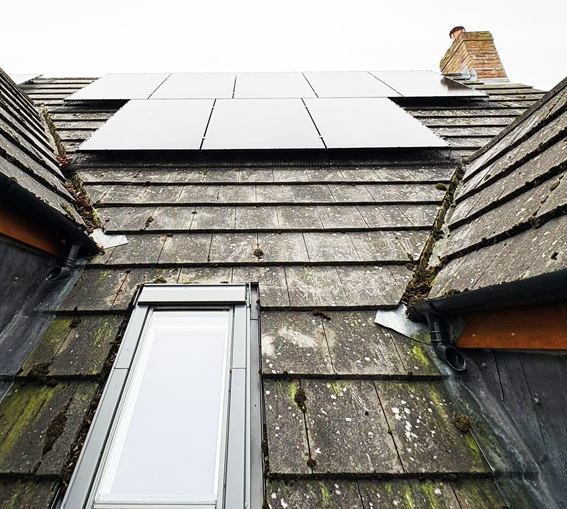
Panel – this is the most well know part of any system. It’s the large, black box you see on people’s roofs, and it’s packed full of solar cells.
Cell – the solar cells are the part of the system that convert light energy into electrical energy. They are made of silicon and copper wire. The number of solar cells within a panel dictates how much electrical energy a panel will produce.
Array – this is how installers refer to a collection of panels in one area. For instance, if you are splitting 16 panels across two roof spaces you would have 2 different arrays of panels.
String – often confused with an array, this is more about how many panels your inverter will be able to handle in each input. If your inverter can handle 16 panels on one string, then the arrays mentioned previously could both go into the same string input. But some inverters may require you to split the arrays into 2 strings and have 8 on each.
String Inverter – this is the brain of your solar system. As well as containing the bits and bobs that control the flow of energy, they also make the electricity your panels produce suitable for your home. Inverters convert DC power to AC power.
Hybrid Inverter – this is a single unit that contains a string inverter and a power inverter. A power inverter converts the DC power from your panels into a different rated DC power that will charge your batteries.
DC Power – your solar panels will generate DC power. DC stands for Direct Current and means the energy constantly travels one way through the circuit. DC energy can be dangerous as, once you grab hold of a live DC wire, you can’t let go. Invented by Alessandro Volta's, and championed by Edison, it was the main source of power until AC became the standard.
AC Power – the electricity in your home is AC. AC stands for Alternating Current, and it means the power doesn’t flow one way round the circuit. In fact, it changes direction 50 times a second – which is why you will see the term ’50 Hertz’ on some of your electrical equipment.
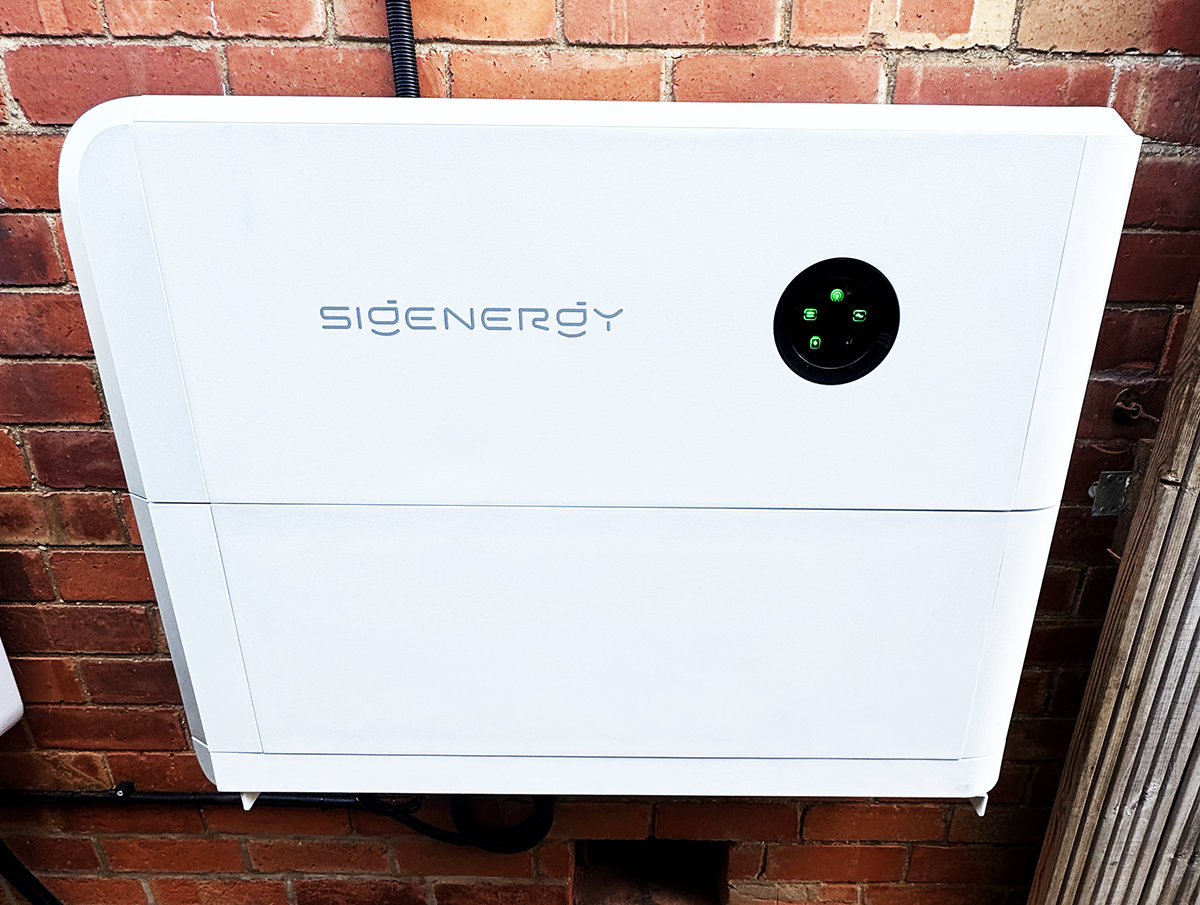
Battery – batteries are the part of the solar energy system that enables you to store the power your panels generate.
Efficiency – the efficiency of a solar panel is the measurement of how much light energy they can turn into electrical energy. Most modern panels are between 20 and 25% efficiency. You can compare this with Natural Gas (Simple Cycle): 33–43% efficiency, natural gas (Combined Cycle): 55–60% efficiency, coal-fired plants: 28–43% efficiency, with a global average of 34% and oil-fired plants: roughly 30–32% efficiency.
Shading – when roof furniture or foliage block the sun from reaching parts of your panels.
Degradation – solar cells are subject to degradation, meaning their efficiency drops by 0.1% every 12 months. This means that panels will only drop below the efficiency level we need for a solar energy system after 30 years.
Solar Diverter – This is a device you can choose to add to your system. It will take excess energy, left over after the house is serviced and your batteries are full, and sends it to your hot water heater.
Roof Orientation – the direction of your roof. The best orientation for solar panels is south, as that means the sun will shine on them from dawn til dusk … but East/West splits are also very efficient.
kW Peak – the maximum power a solar pane can produce under perfect conditions.
kWh – this stands for Kilowatt Hour and is how the consumption, and storage, of electricity is measured.
On Roof – a solar panel mounting system that goes above the tiles on your roof.
In Roof – a solar panel mounting system that replaces a percentage of tiles on your roof and allows the panels to sit flush with the other tiles.
Ground mount – a solar panel mounting system consisting of a metal frame that allows you to mount panels from the ground.
Solar Tubs – plastic boxes with angled tops that can be filled with ballast and used to mount solar panels.
Off-grid – you are considered ‘off-grid’ when you no longer buy energy from the national grid. This is a very difficult thing to do in the UK if you only have a solar energy system.
Peak Demand – this is the time when your home is using the most electricity.
Optimizer – optimizers are used on individual panels if they happen to be shaded.
FiT -FiT stands for Feed In Tarriff. The FiT was a government scheme to buy solar energy from domestic installs. It initially got the solar ball rolling but became unworkable due to the high amounts paid to homeowners. It was replaced in 2019 by SEGs, but some homes still have FiT contracts in place.
SEG – Smart Export Guarantee. These are the current tariffs for importing and exporting electricity to your home. Once you have installed your solar energy system you will be able to negotiate with your energy provider to find the best SEG for your needs.
MCS – the Microgeneration Certificate Scheme is a private regulation company that is specific to green energy and renewables. It works in partnership with manufacturers, the government and energy providers to ensure all green energy products, installers and companies meet certain standards.
NAPIT - the UK’s largest Government-approved UKAS accredited Certification Bodies in the building services and fabric sector, raising standards and safety across the industry and for consumers.
HIES - HIES is a consumer protection organisation covering the installation of renewable energy and home energy efficiency products. HIES is also a Chartered Trading Standards Institute (CTSI) approve consumer code. This is your insurance backed guarantee.

EPVS - EPVS is an independent certification standard that verifies the processes used by installers to ensure that energy-saving, generation, and storage calculations, as well as savings estimates for home energy products, are based on approved industry methodologies and are accurate and reliable.
Gateway – A standard solar energy system will shut down if there is a power cut in your area. This is a safety feature; you can’t be filling the grid with electricity if someone is trying to fix the cables. So, to use the energy you are producing during a power cut you will need a gateway to isolate your home from the grid.
CT Clamp – monitors the flow of energy to and from your home – communicates with your inverter.
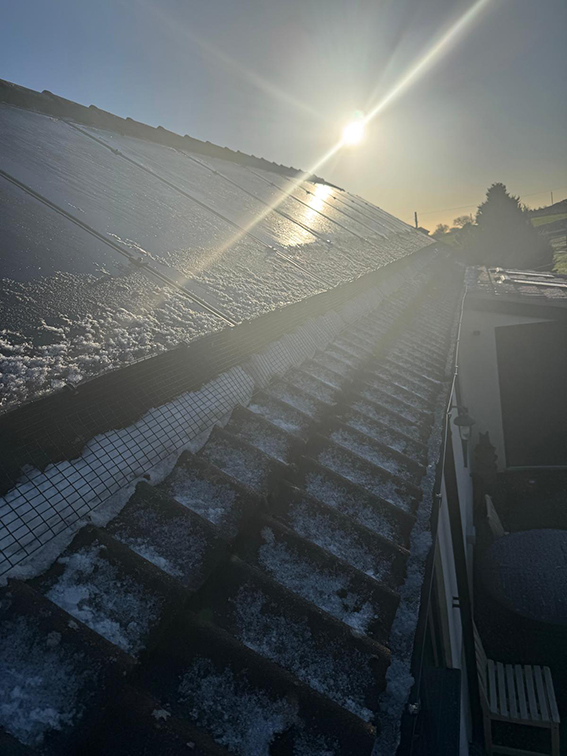
Bird Guard - used to surround the panel arrays to prevent birds, rodents and small animals from nesting under them