Should I Be Exporting My Generated Energy?
The domestic solar industry is kicking off right now!
What with the price of gas being super volatile, and the energy suppliers whacking up their prices, Jo and Josephine Public are looking for cheaper ways to run their homes.
One thing we have noticed over the last few months is how a lot of people still think solar energy is something you sell to the energy suppliers.
Well, that was certainly the case 20 years ago, but nowadays you need to be using as much energy as you can.
And we’re going to tell you why … and fill you with facts too!
What Does It Mean to Export Generated Energy?
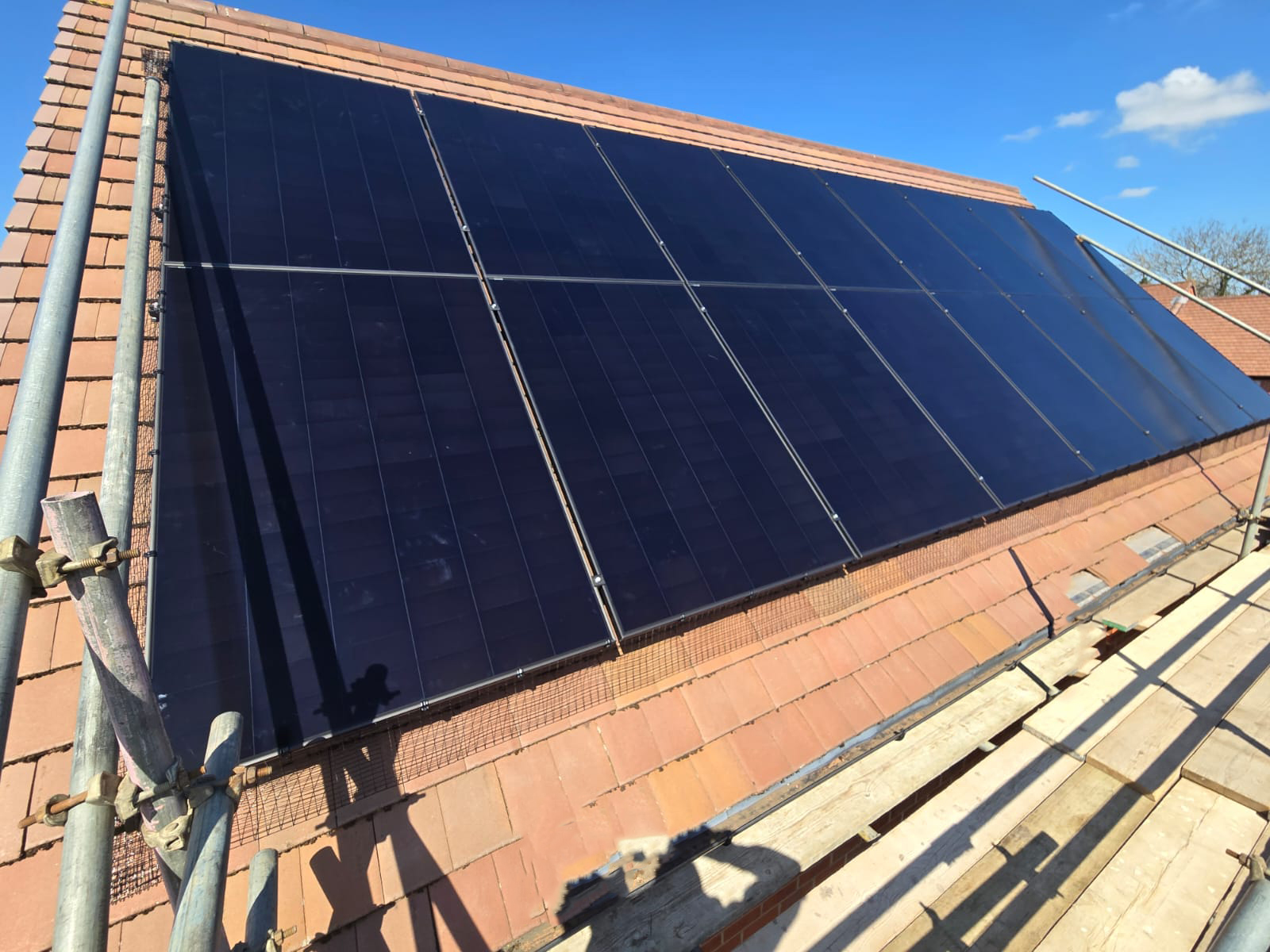
Your solar energy system will generate electricity whenever the sun is shining, even when it’s overcast and cloudy.
That means, at certain times of the year you will be generating way more electricity than you can use in your house.
You have a choice to make here; do you store it or sell it?
We would always encourage our customers to store excess energy so it can be used later but, as batteries are by far the most expensive part of a system, this isn’t always possible.
When that is the case it'#s best to sell it via exporting it to the grid via your energy supplier.
How Does Energy Exporting Work with Solar Panels?
Solar panels themselves cannot export directly to the grid as they generate DC electricity – and the grid is AC electricity.
That's when the brains of your system, the inverter, comes in handy.
The inverter is the thing that converts the DC from your panels into the AC energy that you need in your home – and directs where your energy goes.
You choose whether you want to export that energy by programming your system’s app to send it to the grid.
Should You Use or Export Your Generated Energy?
Use it! If you can anyway.
The most you can currently get paid for your exported electricity is around 14p per kWh – while you can be charged up to 24p per kWh for anything you import.
It’s also worth noting that the 24p rate will be a peak time rate, so that’s when you really need to be using your batteries in winter or the solar in summer.
The 14p rate will also be at peak times, so that’s when you can make the most savings by using your own, self-generated energy.
We’d say it’s best to export when your batteries are full and you home is serviced.
Financial Benefits of Exporting Excess Energy
While it’s always best to use any energy you generate, there is a financial benefit to exporting your excess electricity.
If you can’t use the energy then 14p per kWh, or whatever rate you get, is better than nothing.
This is especially beneficial if you are out of the house for days or weeks at a time.
You can export the energy and build up a tidy little credit on your electricity account.
Suppliers don’t usually offer cash for any export, they just knock the money off your utility bill.
So, while your drinking margaritas in Mallorca, or hiking round the Lakes, you can be covering those pesky standing charges on your bill!
Understanding Feed-in Tariffs and Smart Export Guarantees
If you already have an Feed-in-Tariff then you know all about them, but they are no longer available to new solar installations.
The Feed in Tariff was introduced by the UK government to encourage homeowners to install solar systems.
At first customers would get paid a great price for each kWh, and were paid for 50% of whatever they produced no matter how much they used.
Obviously, this wasn’t sustainable and eventually the price per kWh was so low the public decided it wasn’t worth having solar.
That was mostly because people were putting any old rubbish on their roofs to take advantage of the ‘solar gold rush’.
Fast forward to now and the FiT has been replaced by SEGs – Smart Export Guarantees.
These are much more sensible and allow you to pick tariffs that not only pay you for your export, but also offer competitive rates on any electricity you use.
When Exporting Energy Makes the Most Sense
That would depend on your tariff.
First rule; don’t export if you can use your energy.
Second rule; don’t export if you can charge your batteries.
Third rule; ignore rule one and two if the energy supplier is going to pay you more than you’ll save on your energy.
How Battery Storage Affects Energy Export Decisions
As we have said in this blog, using or storing your energy will always save you more than exporting it.
So, always add storage to your system if you find you're exporting more than you can put in your batteries or use in your home.
If you can’t add more storage then always ensure your batteries are full before you start exploiting your excess energy.