What Happens to Solar Energy Systems During a Heatwave?
Well, firstly it will produce a ton of electricity!
But, while all MCS certified equipment in the UK has to pass vigorous standards, it is a good idea to check in on your systems if the country is experiencing extreme temperatures.
We know that solar energy makes up a lot of the national power in countries like India, Brazil and Spain, so British systems aren’t in any catastrophic danger from the heat.
Do Solar Panels Perform Well in Extreme Heat?
Yes and no – it all depends how hot and how cold.
That’s not really a problem in the UK though, even in a heat wave, because ‘extreme’ heat isn’t something we often experience – even though it doesn’t feel like that sometimes!
Modern, all black solar panels work between minus 40℃ and plus 85℃.
If the UK starts to experience temperatures like that, then we will have a lot more to worry about than solar panels!
Why High Temperatures Can Reduce Solar Panel Efficiency
Did you know that solar panels will produce LESS electricity if it’s super-hot?
Well, unfortunately, that is the case and it’s all due to the physics of silicon.
Solar panels are tested at a standard 25 degrees Celsius, that’s the temperature that the silicon cells perform at their peak.
For every 1 degree Celsius above that, the cell will lose 0.3 to 0.5 of its power output.
Now, you must remember that that’s the heat of the panel – so it may not directly correspond with the number on your thermometer.
How Heatwaves Affect Solar Inverters and Battery Storage
Unlike your panels, the rest of the equipment in your solar energy system relies on programming and technology to function.
You should think of your inverter as a little computer that also coverts one kind of power to another.
Because inverters feature PCBs, chips and other sensitive electronics, they can be affected of the weather gets too hot.
Similarly, batteries are storing huge amounts of electricity AND they contain electronics that control the flow of power.
Luckily, both batteries and inverters contain fail safe systems that protect them if the temperature gets too hot … or cold.
This could include shutting down, or initiating cooling programs, depending on the make and model of your equipment.
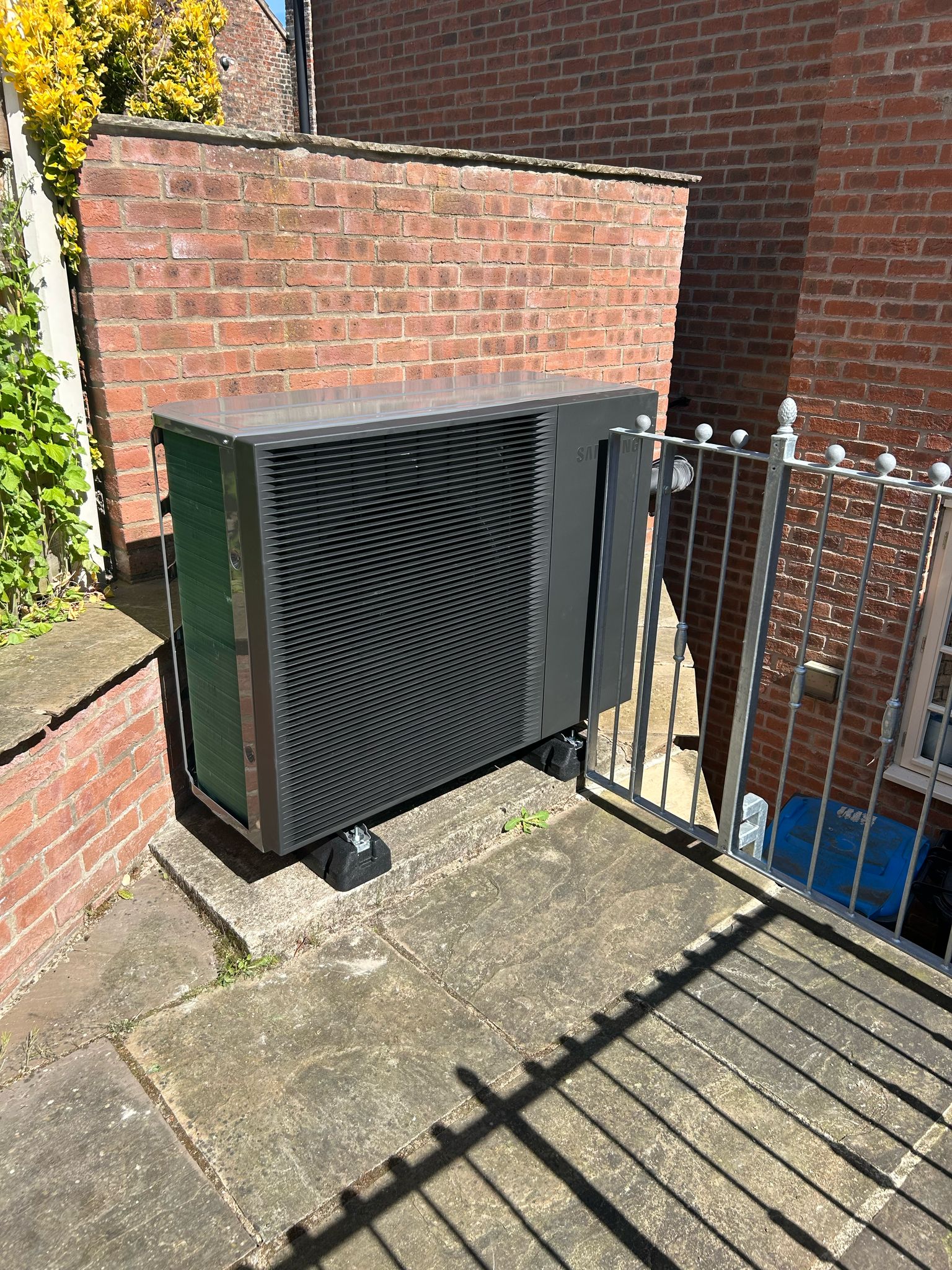
Most inverters and batteries can be stored outside these days, so that reduces any air flow restrictions and helps both products to stay within their recommended parameters.
It is always a good idea to shelter any equipment you have outside but always ensure there is plenty of space around the items so they can cool naturally.
Can Solar Energy Systems Meet Summer Electricity Demand?
Yes, of course your system will be producing enough electricity for your home during summer.
As stated before, the heat would have to get pretty unbearable for the system to start to struggle. Crisp Remember that solar power is very popular in countries that experience much harsher summers than we do.
Australia is one of the leading solar adopters and they experience some crazy summer temperatures!
Here in Blighty, we don’t usually use a great deal of electricity in summer domestically, though we do nationally due to air conditioning in public buildings and retail outlets etc. We’re not domestic users of air conditioning generally, so we don’t usually have a huge drain on our supply – though we do like a hot tub!
Ways to Maximise Solar System Performance in Hot Weather
Short of spraying your panels with water all day, or setting up cooling fans, there isn’t much you can do to cool your panels down.
Plus, the loss of efficiency is so small in the UK that any measures you took to cool your panels would use more energy than you are losing … if that makes sense!
Basically, unless we get some truly exceptional temperatures this summer, you will barely notice your panels losing efficiency.
Protecting Your Solar Energy System from Heat-Related Damage
That said, it’s always a good idea to ensure the electronic parts of your system are in good working order during hot spells.
We know that solar equipment comes with built in protection, but it’s always best to keep any eye on the app when the temperatures are getting a bit more extreme.
The installers should also try to position the equipment in a shaded area – just to keep it safer for longer.
Myths About Solar Energy Systems and Extreme Heat
The press loves a horror story, click bait as we call it, so they will always highlight solar malfunctions and try to blame the weather … or solar in general.
Truth is that solar panels are very unlikely to cause you any problems – they are totally passive so there is very little that can go wrong.
If you see a news story about solar panels ‘catching fire’ there will always be perfectly reasonable explanation as to why it happened.
These are usually incorrect installation or a fault with the wiring – solar panels do not spontaneously combust.
The same is true for your inverter and battery – they are rigorously tested, always check they are MCS certified, and they will have all relevant safety features built in.
Preparing Your Solar Energy System for Future Heatwaves
There is no denying that the summers in the UK are getting warmer, and the winters milder, so ensuring your outdoor electronics are protected is a good idea.
As we have said, the panels will be fine, they may just lose a bit of efficiency.
So, so long as you make sure your inverter and batteries are not in direct sunshine for long periods, your system will be just fine.
And, as the technology keeps getting better and better, future additions to your system will be built to deal with higher temperatures.