What is in a Solar Energy System?
When it comes to generating your own electricity, most people aren’t really au fait with the modern tech.
We are all pretty familiar with solar panels themselves, but you can’t just put those on your roof without a few other bits and bobs to get that lovely, free leccy into your home.
So, in this blog, we’re going to give you the low down on what’s in a Solar Energy System and what each bit does.
The Main Components of a Solar Energy System
The essential parts of any solar energy system are:
· Solar Panels
· Inverter
Additional parts that you can add are:
· Batteries
· CT Clamp
· Solar Diverter
· EV Charger
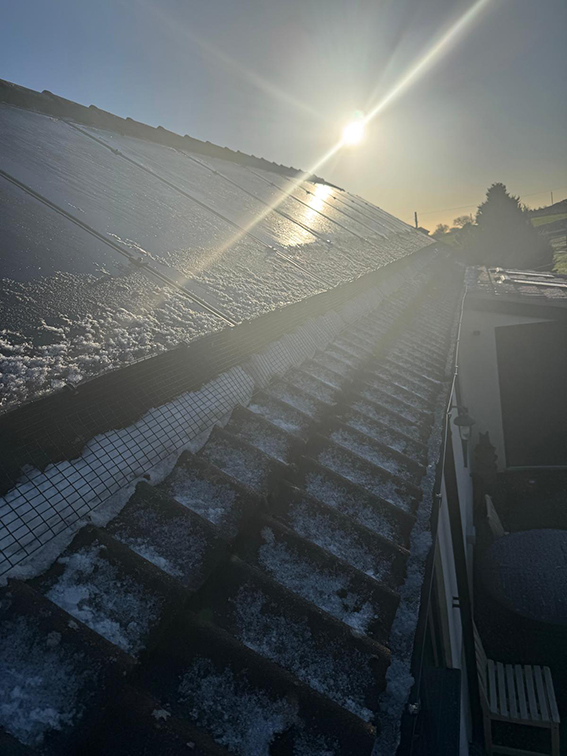
How Solar Panels Capture Energy from the Sun
We have a very in-depth blog about this here.
But, we’ll summarise it simply for this blog.
Solar panels contain cells made of processed silicon, usually somewhere between 50 and 74.
Silicon is the worlds more abundant element and, if processed correctly, the molecules inside the silicon will ‘jiggle’ about when exposed to sunlight.
The jiggling creates energy and that energy is electricity!
The electricity moves along copper wires inside the silicon cell and, eventually, into your home.
Told you it was a simple explanation!
What Role Does a Solar Inverter Play?
You can’t simply plug your solar panels straight into your domestic solar system as not all electricity is created equal!
You may have learned about AC and DC electricity at home and, if you were an Australian with loud guitars, you may have even named your band after the lesson.
DC stands for ‘Direct Current’ and that means the electricity travels the same way down the cable.
AC stands for Alternating Current and means the direction of the electricity switches – usually about 50 time a second.
The electricity we get from the grid is AC, as it’s safer and can travel longer distances, but the electricity from the solar panels is DC.
That’s where the inverter comes in, as it converts the DC to AC so you can use it in your home.
A hybrid invert will also convert the DC from your panels into a different kind of DC that will charge your batteries.
Speaking of which …
Understanding Solar Batteries and Energy Storage
Now, batteries aren’t an essential part of a solar energy system when it comes to functionality, but we think they are very important for savings.
For a lot of the year your system will producing more electricity during the day than you can use.
So, it’s always a good idea to store that extra energy in batteries and then you can use it after the sun has gone down.
You can export your excess energy back the grid, that is always an option but will never get paid as much for exporting as you get charged for importing.
Batteries will save you money, all year round.
The Importance of Mounting and Racking Systems
You must have the correct mounting system for a number of reasons, and any reputable company will ensure the panels are secure.
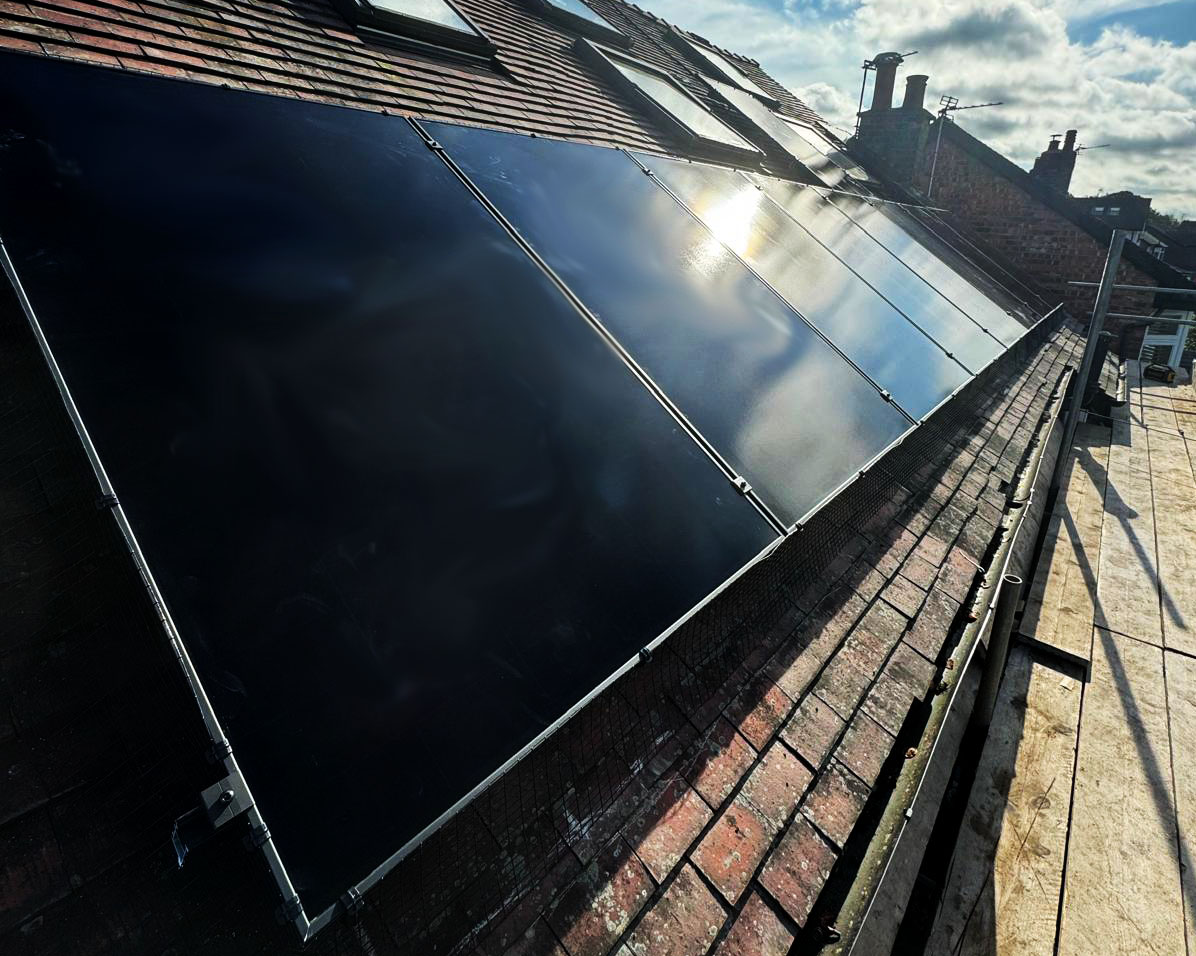
The most popular system by far is the on-roof, rail-based system.
On Roof Mounting
Hooks are fitted to the roof, and the rails are attached horizontally across the roof.
The panels then lay flat across the rails.
This ensures there is plenty of air circulating around the panels and it also means the wind passed straight over them.
In Roof Mounting
The next most popular mounting system is the ‘in-roof’ system.
These comprise of trays that fit directly on to the roof trusses and the panels lay on to of the trays.
The system is completely watertight and the are designed so the panels lay flush with the roof tiles.
You will usually see these on new build properties, or renovated homes, as they are not cost effective for a normal home.
Solar Tubs
These are used on flat roofs.
As the name suggests, they are tubs that are filled with ballast and sit flat on the roof.
The tops of the tubs are slanted so the panels sit on them and are perfectly angled to soak up the sun.
You can also use solar tubs to mount panels on the ground.
Ground Mounting
This is like roof mounting in that is uses a rail system.
Piles are driven into the ground and 2 different heights with the panels laid on the rails at an angle.
Solar Monitoring Systems
You may already have a smart meter, but your solar energy system will also come with its own monitoring platform.
The apps will hook up directly with the inverter and you use them to program, control and monitor your system.
You can choose battery charging times, when to export and check all your panels are working.
The app can also be accessed by your installer, but the apps themselves are completely provided by the inverter manufacturer.
Solar Peripherals
That are some bits and bobs you can add to a solar system to save even more money.
Solar Diverter
Often referred to by brand names like iBoost, these are little devices that channel any excess electricity to your emersion heater.
Once again, we feel using the electricity is always better than exporting it so heating your water is another great way to use your system efficiently.
EV Charger.
While you may never fully charge your car with solar, you can save by directing some of your excess power to your car.
You can also find some tariffs that will allow you to sell energy back to the grid straight from your car battery.