What is Part L?
What Is Part L of the Building Regulations?
In essence Part L is the section of the building regulators that aims to ensure all UK homes are heat and energy efficient.
It applies to residential and commercial properties and requires them to use 31% less energy than the previous regulations stated.
Basically, the main objective of Part L compliance is to reduce the amount of carbon emissions produced by buildings.
This can be achieved by ensuring buildings are properly insulated, heating systems are energy-efficient and windows and doors are properly sealed to reduce heat loss.
Why Part L Matters for UK Homes and Buildings
Part L will help the country achieve a Net Zero status, which is important not just for landlords, developers and current homeowners, but their children and their children’s children.
It means builders or installers are working on a ‘fabric first’ basis, so homes will contain the best materials.
As a developer or landlord, Part L matters because it outlines legal obligations when it comes to creating homes for people.
As a homeowner in befits you in a number of ways.
It will cut your energy bills, it will ensure your home is cosy and warm … plus it will reduce your carbon footprint so you can be all smug about your efficient home.
All this contributes to better health, less stress and a more manageable household budget.
The Key Requirements of Part L Explained Fabric-First
All materials should be enhanced with U-value insulation - this will be in roofs, walls, floors, windows, and doors.
The external walls will need thicker insulation 450mm-600mm.
Airtightness & Ventilation
Stringent air permeability testing needs carrying out and must be a max 8 (m^3/(h\cdot m^2)) at 50 Pa … if that makes any sense to you!
While it’s great to have an airtight building, you’ll need to breath and you’ll also have to reduce the chance of damp.
That means fitting modern ventilation like MVHR.
Low-Carbon Heating Systems
Heating systems must now operate at a lower heat flow temperature.
This means moving away from fossil fuel and onto heat pumps.
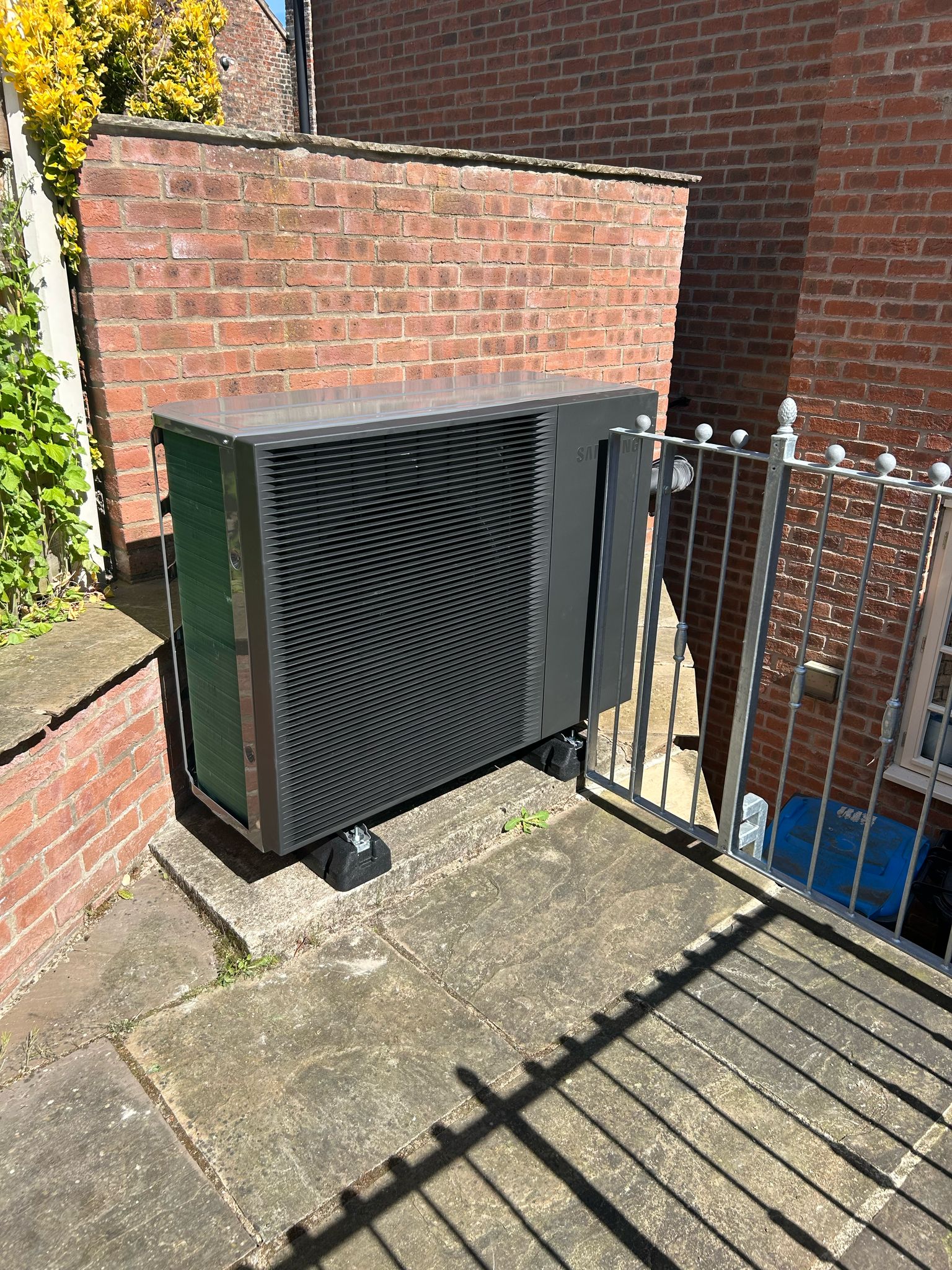
The usual one for the average UK home is the air source heat pump.
These are a doddle to fit on new builds and fairly easy to retro fit too.
Photovoltaics (PV)
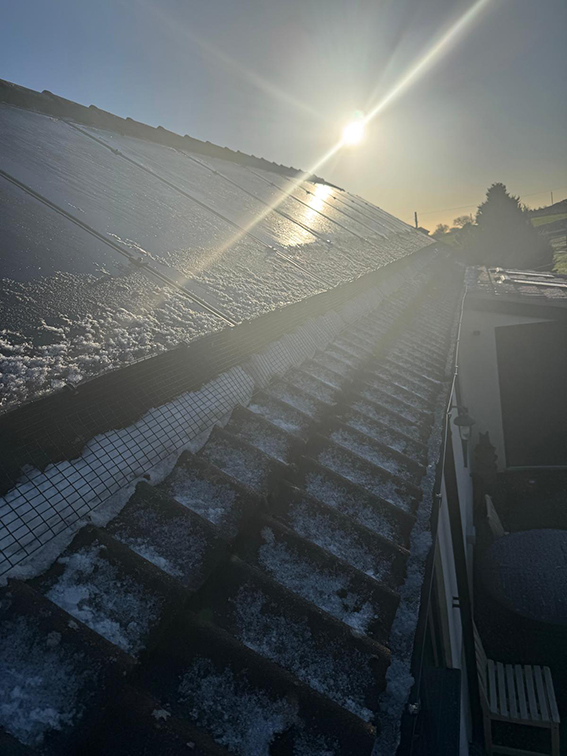
That’s a solar system to you and me.
New builds will come with these already fitted, and they are easy to get fitted if you don’t have them already.
SAP Assessments & Compliance
Building reports can be used as evidence of the "SAP10" standard and must be signed off with geolocated photographic evidence of all the energy-saving features.
All must be submitted to building control.
Replacement Heating Controls
All heating controls that are fitted must be able to create individual room zoning.
Documents
Part L is split into Volume 1 (Dwellings) and Volume 2 (Buildings other than dwellings).
Changes to Part L: What’s New in the Latest Update?
The last big changes in Part L were in June 2022 and mandated a 31% reduction in carbon emissions for new homes.
This is was to remove any obstacles on the road to the 2025 Future Homes Standard.
Main changes were stricter building fabric standards, air-tightness testing, photo evidence, and a more low-carbon heating meaning the phasing out of gas boilers.
How Part L Affects Homeowners and Developers
It won’t really affect homeowners unless you are thinking of renting out your property – and if you’ve just bought a new build it will already adhere to Part L.
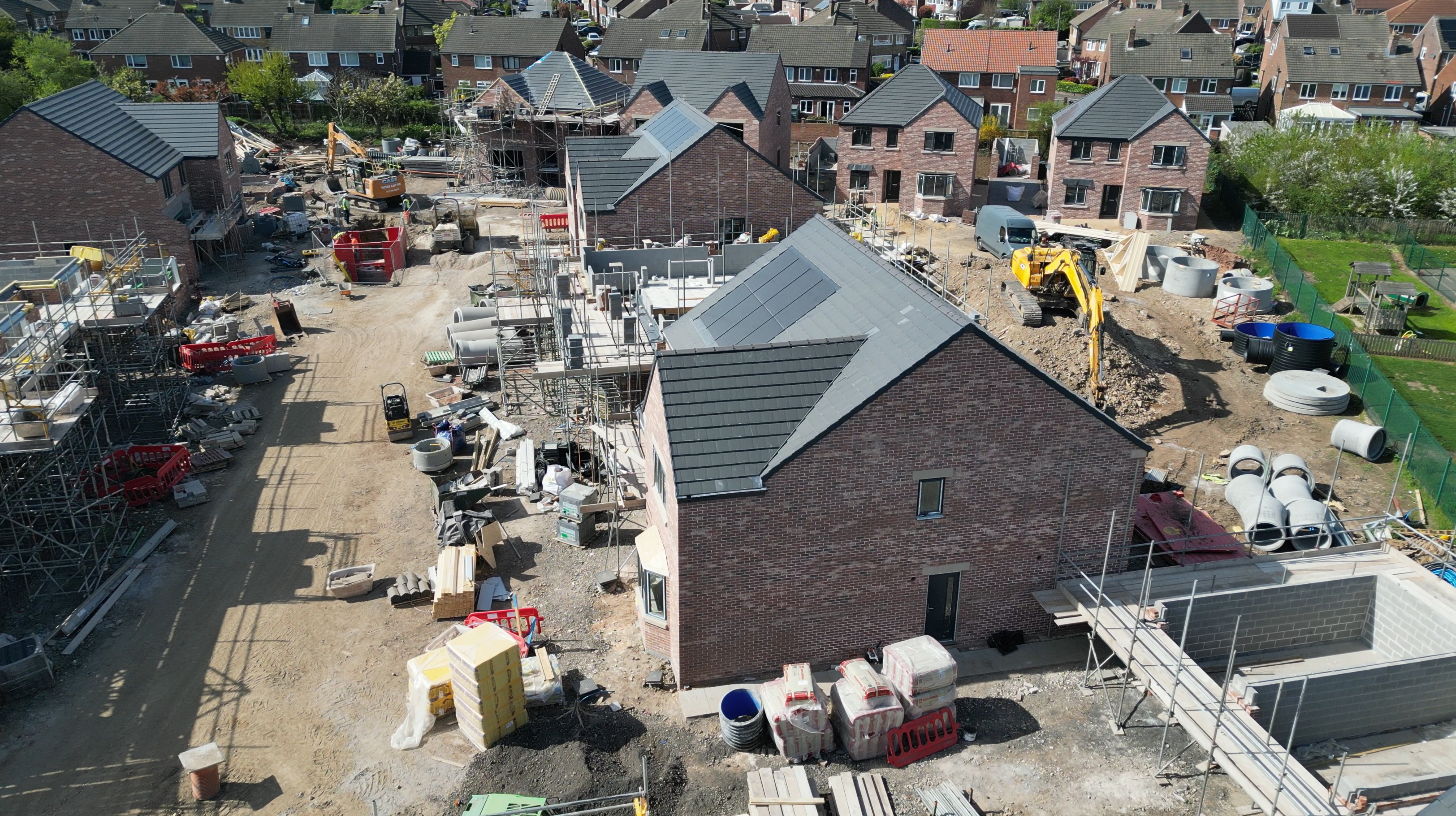
Developers, however, will need to make sure they are compliant with Part L.
If they aren’t then they could be liable to fines from the local council and could even be instructed to demolish any houses they have built.
Part L and Energy Efficiency Standards in the UK
Part L was legislated to ensure all developments are ready for Future Homes Standard.
This mandates that all new homes are "net zero ready," producing 75–80% fewer carbon emissions compared to 2013 standards.
Part L is also to prepare for 2027 when, it is hoped, that all new homes will be free of fossil fuel heating
What Is SAP and How Does It Relate to Part L?
SAP stands for Standard Assessment Procedure and is the UK government’s approved methodology for calculating and assessing the energy performance and environmental impact of new and existing residential dwellings
It is the way your property will be assessed to ensure it’s conforming to Part L.
Part L Compliance: What You Need to Do
As a homeowner, nothing unless you want to rent your property out.
As a developer or house builder we would suggest:
When you start to design your domestic properties or renovations always work with an accredited SAP assessor. You’ll need an SBEM assessor for non-domestic projects.
Make sure there is someone onsite that knows how to use a camera! It could be a dedicated photographer or just one of the on-site managers. But they must take high-quality, geotagged photos at specific points in the build.
Keep a constant eye on the airtightness of the home you are building, regular checks will help you keep on top of this.
Keep your eye on the renewable industry to check for new tech, innovations and fresh products. It’s always a good idea to have a renewable energy expert on board.
Keep all evidence for your final building regulations assessment.
Common Mistakes to Avoid with Part L Regulations
The most common mistake is not knowing about Part L! And not working with the experts of course.
As a developer or builder, you know that regulations change all the time, and councils swing between the lax and the over-zealous!
So, our biggest piece of advice is to make sure you stay on top of the regulations and try your best to hit every target.
How Part L Supports Net Zero Goals
Part L is just one part of the road to Net Zero but, obviously, the nation’s housing is a pretty big part of our energy use.
Where Part L really comes in is by increasing the amount of green energy available in the country.
With the best will in the word it will be a while before we can produce all our electricity in a renewable manner.
We include nuclear in that renewable offer but nuclear power stations take a long time to build – and we don’t currently have the infrastructure to have a 100% renewable grid taht relies on wind and solar.
Every home with a PV system is a good thing.
And, if we are still using fossil fuels, well insulated homes mean we will use less of that too!
Do You Need to Comply with Part L for Renovations?
Yes, you must comply with Part L for most significant renovations in the UK.
You even have to comply even if you’re just doing an extension.
What Happens If You Don’t Meet Part L Requirements?
You really don’t want to find out!
Councils have the power to fine you, take legal action against you and even order the removal of any work that doesn’t comply to Part L.
So, just make sure you are working with the experts at every stage and make sure you keep checking all the necessary bits and pieces as you go along.