What Is the UK Government’s New Warm Homes Plan?
The government’s Warm Home plan consists of a raft of incentives designed to help homeowners in England and Wales access greener ways to heat and power their homes.
You what?
In real speak, you can get money towards solar panels, heat pumps, insulation and other great ways to keep you home cozy and warm.
It will include full and partial grants plus low interest and 0% loans.
Some of these initiatives will be accessed through your local council, some will be via OFGEM and some will involve talking to your bank.
Why the Warm Homes Plan Has Been Introduced
Net zero, innit? Well, yes and no.
While Net Zero is a political hot potato being kicked around to get clicks and rile people, the thing that has really kicked these green incentives up a gear is the cost-of-living crisis.
We all remember when, due to a number of conflicts, bad decisions and mismanagement, all our electricity bills started to spiral out of control.
On top of that, there was is always a global threat of oil and gas being restricted by certain countries or regimes.
Both these things make the British public, and those in Whitehall, think a little more about the UK’s access to cheap energy.
The cheapest way to get energy is to make it yourself using the most easily available resources.
Here in Blighty that’s wind, solar and wave … we certainly don’t have to leave it to the corporations to produce that energy as we can do it ourselves at home.
And the Warm Home Plan will help us do just that.
Who Is Eligible for Support Under the Warm Homes Plan?
Everyone!
It actually is, but not everyone can access every initiative.
There is a version of the old ECO4 scheme, which we believe is simply called Warm Home Fund now, that is available to households who have an income of less that £36000 – or receive certain benefits.
This scheme will be handled, and approved, by your local council and any work will be carried out by their approved installer.
The BUS, or Boiler Upgrade Scheme, has been extended until 2029/30.
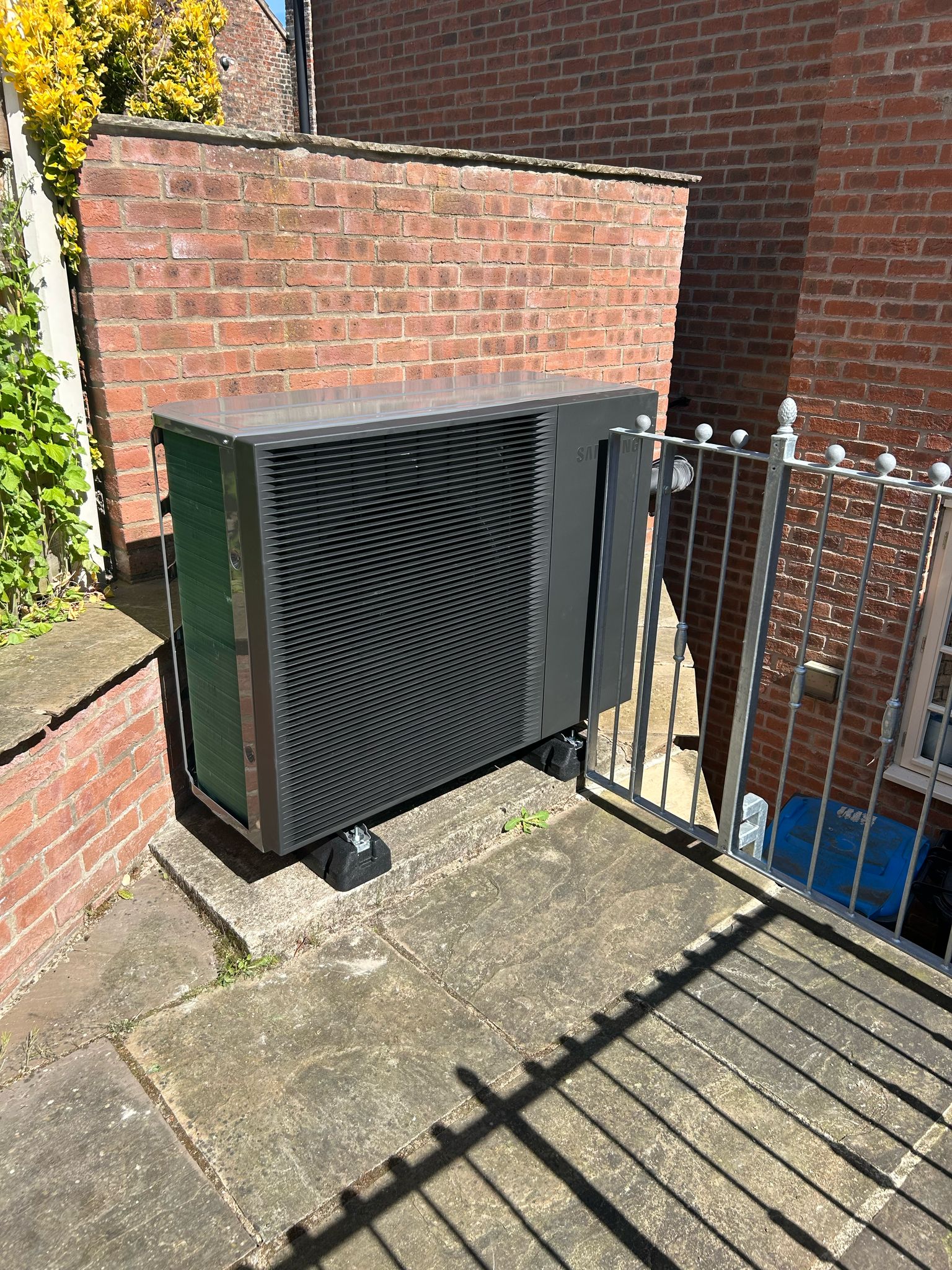
BUS entitles all homeowners in England and Wales to a whopping £7500 towards a heat pump – that can be air, ground or water source.
OFGEM are the body that handle these grants, but your installer will usually apply on your behalf.
And finally, but unlikely to be available until 2027, will be a raft of low interest, or 0%, loans.
The government are in negotiation with high street banks to ensure they are all onboard to offer you these loans – so it would be them who would sort your finance out.
What Improvements Does the Warm Homes Plan Cover?
The different schemes will cover different things.
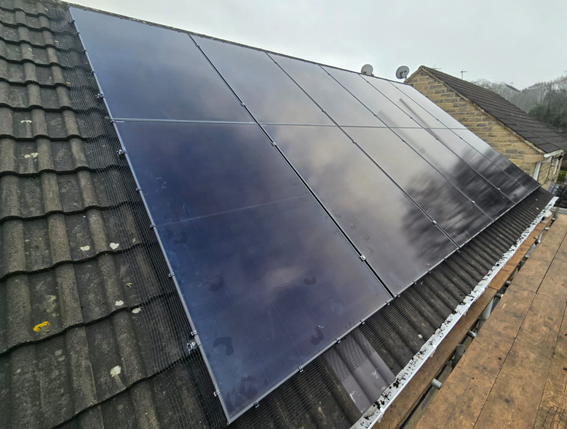
The Warm Homes Fund is available to certain people and covers solar panels, battery storage, heat pumps, smart controls, home insulation and draught proofing.
We believe the limit for funding is £30,000 but don’t quote us on that.
BUS covers heat pumps, but only if you are replacing a traditional, fossil fuel boiler.
And the low interest loans and 0% loans will cover solar panels, battery storage, heat pumps, smart controls, home insulation and draught proofing also.
How the Warm Homes Plan Aims to Cut Energy Bills
In our opinion it’s not just aiming to cut energy bills, it’s actually going to cut energy bills.
We are in the business of installing solar energy and air source heat pumps and we know both those things can save our customers money.
In the UK a large chunk of anyone’s household budget goes towards the electricity and gas bills.
Installing a solar energy system can reduce those bills by up to 80% over the year.
As electronic devices become more efficient, we know that the majority of those bills are paid to keep your home warm.
So, good insulation, secure double glazing and smart meters will all contribute to heating your home more efficiently and keeping your energy usage to a minimum.
Heat pumps are a bit trickier to quantify, but they do save you money if they are used correctly – especially if you are currently using electric heaters.
The reason heat pumps are difficult to labels are ‘super cheap’ is because they use the same amount of energy to run as a fossil fuel boiler in terms of price.
They are 400% efficient but gas is 4 x cheaper than electricity – so the costs can look very similar in the short term.
But an air source heat pump will save you money in the long run.
How the Warm Homes Plan Supports Net Zero Goals
Despite what some of the less reliable newspaper will tell you day after day, solar panels and air source heat pumps are way greener than tradition energy and heating.
A household can drastically reduce their carbon footprint buy using green energy.
Solar panels have a carbon footprint attached to their manufacturing and transportation, but it’s no where near as big as the essentials you need to create electricity with fossil fuels.
And, when the panels are doing their thing, they produce absolutely no carbon at all!
Heat pumps use electricity, so there is a carbon footprint there, but as heat pumps are 4 times more efficient than traditional boilers it is drastically reduced.
Insulation will also reduce the amount of heat needed to keep your home warm, so you can turn that thermostat down and reduce your carbon footprint some more.
All this green energy means that your drawing less on the grid, which reduces the amount of coal and oil being burned – reducing that carbon footprint some more.
What the Warm Homes Plan Means for Homeowners
Well, firstly it means you can get some green tech in your home and save a whole load of cash!
Plus, you can be all smug about all that carbon you are saving, should that be something you find important.
One thing that people don’t really talk about much is how investing in green tech for your home can actually increase its value.
Its not just the fact you’ve installed cheaper heating, or your own solar power station, that increases the home’s value, it’s all about the EPC rating.
Yep, the greener the tech you have, the high your EPC rating, and the more saleable your home is!
We’ve studied this in depth in a blog here.
What the Warm Homes Plan Means for Renters and Landlords
Landlords are on something of a countdown to get their houses in order - if you will.
New legislation is being put forward to ensure all rented properties reach certain standards of insulation and heating.
Again, this is tied to the EPC rating, which will have to be C or above in the coming years.
This will require a lot of investment from landlords, but this will be a good thing for all involved in the long run – no one should live in a cold and draughty house in the 2026!
When the Warm Homes Plan Will Launch and How to Apply
Bits of it are already here!
As we said, the BUS grant is already in effect and has been extended until at least 2029/2030.
The Warm Homes Grant is continuing form the Eco 4 scheme, so local councils can be contacted to get the ball rolling.
The only thing that we will have to wait for art the low interest and 0% loans, and that’s because the banks need to be onboard.
This is slated to come into effect in 2027